

What does it actually
take
to improvise with confidence?
It starts with
friction.
That is entirely expected.
The first weeks feel unfamiliar. You are learning to listen differently — to hear space in a melody, to respond rather than execute. Most people find this disorienting before they find it freeing.
Around the midpoint, something shifts. Patterns you practiced in isolation start connecting. You catch yourself making a musical decision without stopping to think about it. That moment is quieter than you might expect.
Early weeks
Listening and orientation. Unlearning rigid patterns.
Middle period
Connections form. Responses start feeling natural.
Later stage
Your voice emerges. Decisions become instinctive.
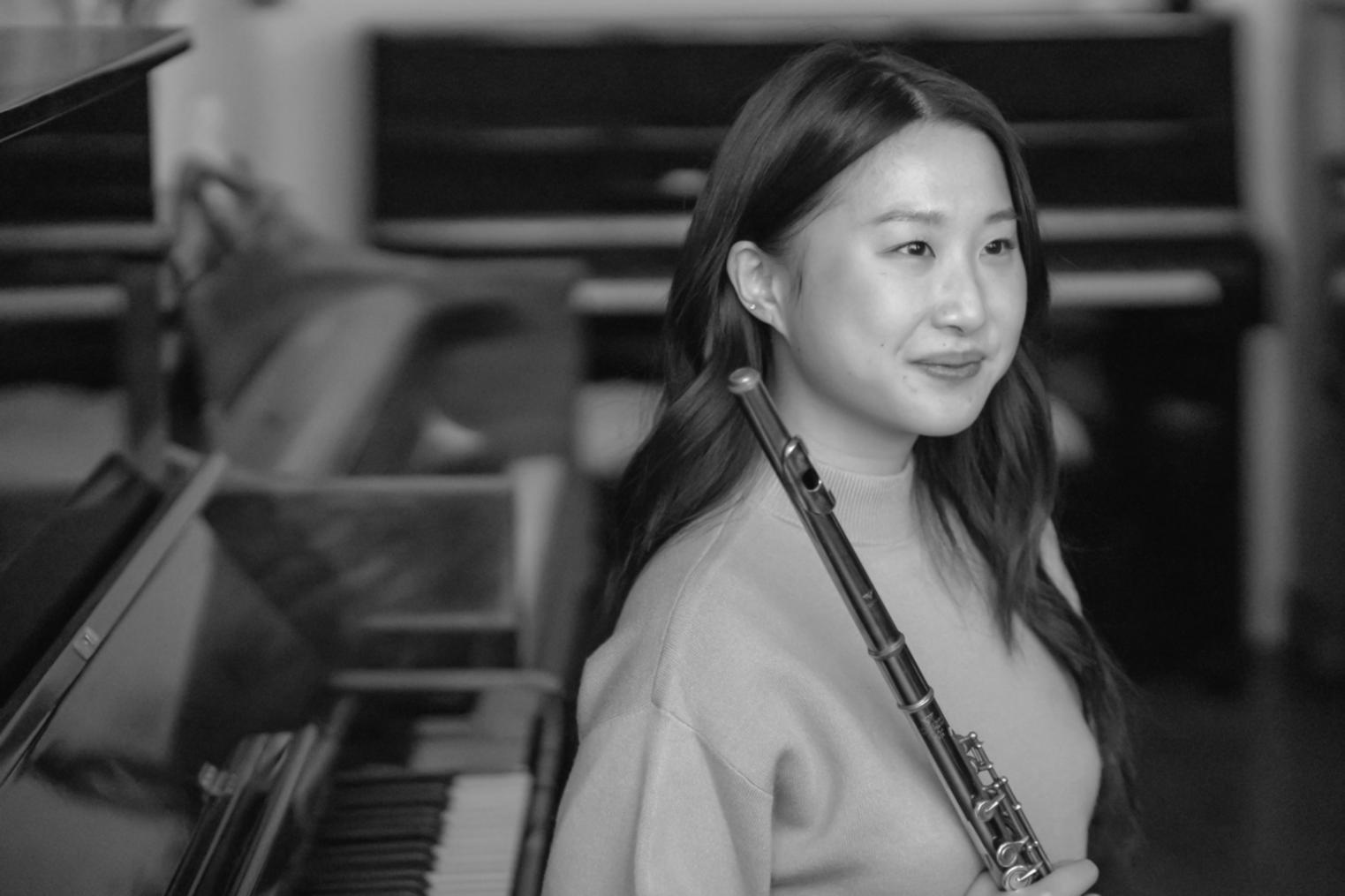

Orla Fenn
Lead instructor, harmonic improvisation

Yeva Marchuk
Rhythm and phrasing specialist
Support is
present
without being prescriptive
Getting stuck is part of the process, not a sign that something is wrong. The question is what kind of help actually moves you forward — and what kind of help just removes the discomfort without teaching you anything.
Asynchronous feedback
Submit recordings and receive detailed written responses within 48 hours.
Peer listening sessions
Structured group reviews where participants respond to each other's work.
Open Q&A threads
Ask about anything — theory, practice habits, creative blocks — in a shared space.
Skills that do not expire
The material you work through here is not time-sensitive. Harmonic thinking, rhythmic flexibility, and the ability to listen and respond — these stay with you. They apply whether you are playing jazz, folk, or something harder to categorize.
Ear training that transfers
You learn to hear what is happening in a piece, not just what is written. That carries into any genre you encounter later.
A personal practice method
By the end, you have a way of practicing that works for you — not a borrowed routine from someone else.
Comfort with uncertainty
Improvisation trains you to make decisions in real time. That changes how you approach performance, collaboration, and creative work broadly.
Access to recorded materials
All exercises, recordings, and feedback threads remain accessible. You can return to earlier work as your understanding deepens.
Finishing is
not a ceremony.
It is a capacity.
There is no single moment when improvisation clicks. Completion here means you have built enough vocabulary and enough confidence to keep developing on your own — which is the actual goal.
Graduates leave with a portfolio of recorded work that documents their development. Not as a credential to display, but as a reference point — something to return to when you want to hear how far your ear has come.
The distance
between playing notes
and making music
Most musicians who come here can already play. They have technique, they know their scales, they can read a chart. What they cannot do yet is respond in the moment — to what another musician plays, to what the room feels like, to what they themselves just played.
Am I at the right level for this?
Most people who ask this question are. The ones who are not are usually either complete beginners with no instrument experience, or advanced performers who need something more specialized than this program offers.